
UI/UX Design That People Actually Enjoy Using
Great design is invisible — it just works. We research how your users think, then build interfaces that guide them effortlessly from arrival to action. No guesswork. No decoration. Pure intent.
Trusted by 80+ product teams across 12 countries
Why Most Products Lose Users Before They Convert
These are the four design failures we diagnose most often — and fix before they cost another month of lost revenue.
Users land and immediately feel confused
No clear headline, no obvious next step, and too much information competing for attention. Users leave in under 8 seconds — not because they weren't interested, but because the design didn't guide them.
Signup or checkout forms are abandoned
Forms that ask for too much, too early — or that break on mobile — kill conversions at the most critical moment. A poorly designed 3-step form can lose 70% of users before the final step.
The design looks different in every section
Inconsistent colours, font sizes, button styles, and spacing create a product that feels unfinished. Users interpret visual inconsistency as a trust problem — even if the product itself is excellent.
Mobile users have a completely different — worse — experience
A design that was only tested at 1440px wide falls apart on an iPhone. Text becomes unreadable, buttons become untappable, and navigations become unusable — at the breakpoint where most users actually are.
Clear hierarchy from the first pixel
Every screen starts with a single primary action. We use visual weight, spacing and contrast to guide the user's eye — so they always know what to do next without thinking about it.
Forms designed to reduce friction, not collect data
We strip every form to the minimum viable fields, add inline validation, and test every step on mobile. The result is more completions, not fewer — because we design for the user, not the database.
Design systems that enforce consistency
We build a component library in Figma so every button, card, form, and modal follows the same rules — across every page, every platform, and every future update.
Mobile-first by default, desktop second
We design the mobile experience first — the hardest constraint — then scale it up. The result is a product that works beautifully at every size because it was designed that way, not retrofitted.
Our Six-Stage Design Process
Every UI/UX project follows the same structured process — from research to final handover — so nothing is guessed and nothing is skipped.
Discover
Stakeholder interviews, user research, competitor audit
Define
User personas, journey maps, information architecture
Wireframe
Low-fidelity screens — structure before style
Design
High-fidelity UI in Figma — desktop, tablet, mobile
Prototype
Clickable prototype for testing and stakeholder review
Handover
Developer-ready Figma file with specs, assets and component docs
Five UI/UX Design Specialisations
Each capability is a distinct discipline with its own process, tools, and deliverables.
UX Research
Good design starts with real data about real users — not assumptions about what they might want. We run structured research to uncover why users leave, what confuses them, and what would make them stay.
Product Design
End-to-end design for digital products — from first-use onboarding flow to complex multi-step dashboards. We work across web, mobile and SaaS products, designing every screen state.
Wireframing & Prototyping
We design the structure before we apply the style. Wireframes let you validate flows and layouts before a single visual decision is made — saving weeks of rework.
Design Systems
As products scale, inconsistency creeps in. A design system solves this permanently: one source of truth that every designer and developer references.
Interface Redesign
Your product works — but it doesn't perform. We redesign the interface without rebuilding the product from scratch — improving conversion and usability.
What Good UX Design Actually Changes
Design is not a cost. It is a revenue lever. These are industry-validated numbers on what investing in UX returns.
Forrester Research
Amazon Web Services
Forrester Research
IBM Design
What Changes When Design is Done Right
The difference between a product that frustrates users and one they recommend is almost always design — not features.
Design Tools We Work In
Industry-standard tools that your existing team can immediately open and work with after handover.
Research-Led Design, Not Assumption-Led
Most design agencies show you a beautiful mockup before talking to a single user. We start with research — because what users actually do is almost always different from what stakeholders assume they do.
Real Products. Real Numbers.
A closer look at specific design projects — not just aggregated stats.
Two Designers. Full Accountability.
Real specialists, not a black box. Every project is led by the experts you talk to.
What Clients Say About Our Design Work
Real outcomes from real design projects across different industries and countries.
"They redesigned our SaaS dashboard from scratch. Our onboarding completion rate went from 38% to 81% in the month after launch. The difference was entirely the design."
"The UX research phase alone was worth the engagement. They uncovered three critical drop-off points we never knew existed — we'd been losing customers there for two years."
"The design system they built has saved our dev team weeks on every new feature. Everything is documented, everything is consistent, and updates take hours not days."
Engagement Models for Design Projects
Design projects don't all look the same — pick the model that fits where your product is right now.
UI/UX Design for Every Sector
We've designed interfaces for users across these industries — each with their own mental models, trust signals, and conversion patterns.
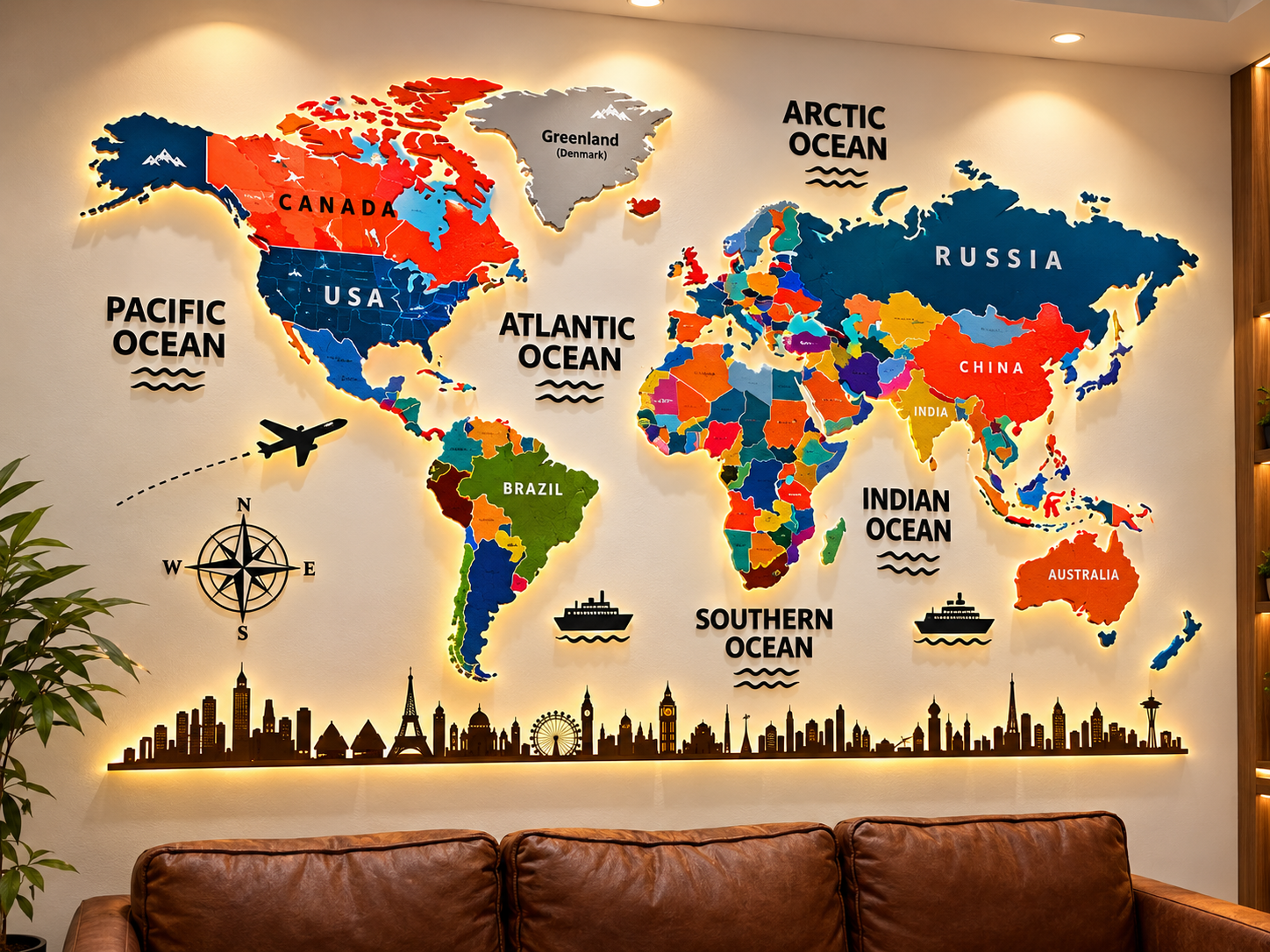
UI/UX Design Services Across 10+ Countries
We design remotely for clients worldwide, adapting to local user behaviour, accessibility standards, and cultural design expectations.
No Surprises. No Fine Print.
Trust is earned through what happens after the contract is signed. Here's what you can count on for every design project.
Milestone Billing
You only pay as work is completed and approved.
You Own Every File
Full Figma files, components, and assets are yours at project completion.
Flexible Retainers
Dedicated designer retainers can be paused or cancelled anytime.
Fast Response Time
We reply to every client message quickly to ensure clarity.
Verified Design Credibility
Real credentials and recognition — not just claims.
CERTIFIED
TOP DESIGN AGENCY
FEATURE
Real Team. Real Studio. Real Answers.
No contact forms that vanish into a void. Reach us directly and a real person responds — not a bot.
Design is the Start. Here's What Comes Next.
UI/UX Design is the foundation. These services build and grow what we design.
UI/UX Design Questions Answered
Everything clients ask before starting a design project with us.
Ready to Design a Product People Love?
Book a free 30-minute design consultation. We'll review your current product or brief, identify the biggest UX opportunities, and recommend a plan — no obligation.